


Basalt Composite Pipes: Advantages for Water Supply and Other Applications
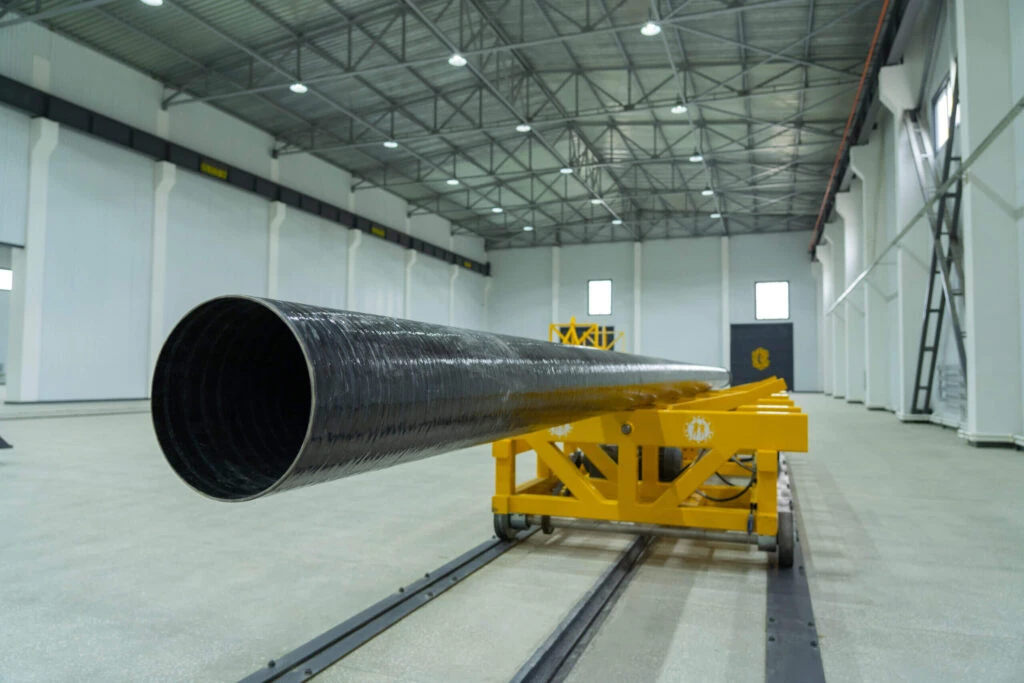
Basalt composite pipes are becoming a highly demanded solution for engineering facilities where durability, reliability, and stable operation under challenging conditions are essential. They are used in domestic and industrial networks, ensuring safe water supply and transportation of chemically aggressive media.
Unlike traditional materials, such pipes serve for decades without the risk of damage, making them a rational choice for next-generation systems. This is why basalt pipes are increasingly replacing classic solutions in areas where efficiency plays a key role.
One of the reasons for the growing interest is that basalt pipes for cold water offer long-term performance without corrosion or structural degradation. This naturally leads to questions about how basalt pipes are manufactured and which properties determine their competitiveness.
What Basalt Pipes Are and How They Are Manufactured
Composite pipelines are created using basalt melt that is drawn into fine fiber with high mechanical strength forming a reinforcing frame. A protective coating is then applied on top to enhance the pipe’s resistance. Finished basalt pipes maintain a stable structure and easily withstand a wide range of operational loads.
The technology is highly precise, allowing the production of pipes with different diameters for various engineering tasks. The material remains stable over time and does not degrade, which is particularly important for long-term projects. Manufacturing companies implement modern solutions to improve product quality and connection reliability, ensuring that the pipes meet industrial standards.
Main Properties and Characteristics of the Material
Basalt composite demonstrates high resistance to mechanical pressure and aggressive environments. It does not degrade, does not react with chemicals, and does not require anti-corrosion treatment, making it a practical solution for demanding conditions. Using this material increases the service life of engineering systems and reduces the risk of breakdowns.
Special attention is given to anti-corrosion pipes since they maintain their shape and tightness even during long-term contact with reactants. The dense structure increases strength, and the minimal presence of weak points ensures stability under pressure. Before considering installation options, it is important to understand which parameters are used to select composite pipes in Tashkent and what requirements they must meet.
Experts highlight the following key advantages when choosing pipeline solutions:
- high structural strength;
- long-term resistance to aggressive substances;
- stable performance regardless of operating conditions;
- low weight that simplifies transportation and delivery;
- no risk of corrosion or cracking.
Applications of Basalt Pipes: Cold Water and Aggressive Liquids
Basalt pipelines are used in areas where chemical resistance and long-term operation with minimal maintenance are essential. They are suitable for transporting cold water, as they do not interact with the liquid or alter its properties. In industrial facilities, these pipes are used to transport reagents, acidic formulations, and process solutions, where the absence of reaction between the medium and the pipe walls is critical.
In systems exposed to pressure fluctuations, guaranteed strength is required, and basalt constructions ensure stable operation without the risk of damage. In places where polypropylene or metal pipes were traditionally used, basalt solutions demonstrate significantly longer service life. Companies choosing to purchase such pipes aim to increase equipment reliability and reduce maintenance costs.
Advantages Over Metal and Plastic Alternatives
Traditional materials gradually face issues such as corrosion, abrasion, loss of tightness, and structural changes. Composite materials, on the other hand, provide stability regardless of load level. They do not require anti-corrosion treatment and are suitable for conditions where metal components quickly fail.
Another advantage is that composite solutions are lighter, making installation significantly easier. When evaluating the cost of composite pipes, it is important to consider their overall service life, which is much longer than that of metal or plastic. The price of composite pipes in Uzbekistan depends on technological complexity, but their longevity fully compensates for initial investment.
Why Basalt Pipes Are the Solution for Long-Lasting Engineering Systems
Modern engineering networks require reliable materials capable of long-term operation. Basalt construction resists degradation, maintains geometry, and performs efficiently even under high loads. A high-quality coating allows these pipes to be used in areas where standard solutions lose strength. Thanks to these features, basalt products provide an effective way to modernize engineering systems and ensure long-term stability.