


BASALT FLOOR HEATER
CHARACTERISTICS
Basalt mineral floor slabs are a modern and eco-friendly material that offers several advantages over traditional coverings. They are made from basalt rock, one of the strongest and most durable materials on Earth.
Basalt slabs have high resistance to mechanical damage, chemical exposure, and temperature fluctuations. The use of basalt mineral slabs for flooring is very versatile: they can be applied in both residential and commercial premises. They are an excellent choice for kitchens, bathrooms, hallways, offices, shopping centers, and many other facilities.
Basalt mineral floor slabs provide excellent thermal and sound insulation. They retain heat indoors and reduce footstep noise and other sounds. Basalt mineral floor slabs are the perfect choice for those who value quality, sustainability, and aesthetic appeal. They possess all the necessary properties for comfortable use in any environment.
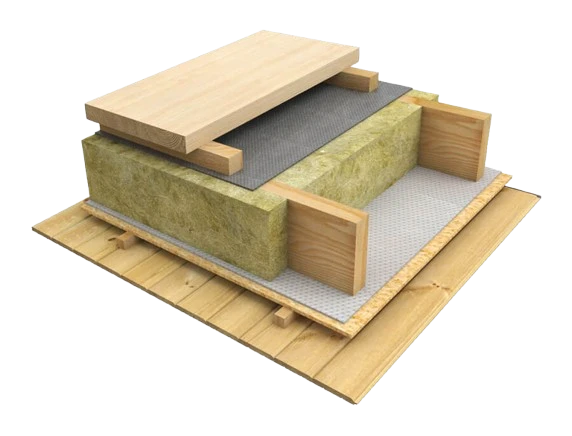

If you want to achieve a high level of thermal and sound insulation in your home, as well as make it eco-friendly and durable, you should consider basalt insulation for flooring. This modern material is made from molten basalt — a natural volcanic rock.
Basalt insulation for flooring has several advantages over other types of insulation: it is available in boards of different thicknesses and densities, making it suitable for all types of floors — concrete screeds, wooden floors, floors on soil, or underfloor heating systems.
Basalt Uzbekistan offers a wide range of basalt insulation boards for flooring, ensuring reliable thermal insulation, soundproofing, and additional fire resistance. You can choose the optimal option by considering the price, quality, and material properties.
Basalt insulation for flooring is an investment in your home’s comfort and durability, paying off through reduced heat loss, improved living conditions, and enhanced safety.




Basalt insulation for flooring in Tashkent
Comfort in the home depends on the right choice of thermal insulation and quality installation. Under sharp temperature fluctuations and high humidity, a proper insulation material for flooring reduces energy costs and extends the lifespan of floor structures. Basalt wool for flooring in Tashkent is in demand among private and professional buyers due to its stable performance and environmental safety. If you plan to buy basalt insulation for flooring, check specifications, delivery times, and availability with the manufacturer in advance.
Basalt insulation for flooring — material characteristics
The raw material is basalt: it is melted and spun into fibers, which are then formed into boards of the required density and thickness. Finished boards retain their shape under load, do not crumble, and are moisture-resistant. Low thermal conductivity ensures effective insulation. When choosing, take into account insulation class, density, and thickness. Always check product labeling, manufacturer certificates, fire-resistance class, and warranty terms.
Types and applications of basalt insulation
The material is produced in the form of boards and mats, making it adaptable to different structures. Installation recommendations and compatibility with floor finishes must be considered. Depending on the base and operating conditions, basalt insulation can be used for:
- under screeds in concrete floors;
- in “floating floor” systems to reduce vibration and noise;
- in frame and modular constructions during renovation;
- in industrial floors to protect load-bearing structures.
Proper ventilation and vapor barrier must be ensured after installation. Boards should be cut and fitted correctly to minimize waste.
Advantages of basalt insulation for flooring
The material is moisture-resistant, does not rot, does not support combustion, and retains its shape during long-term use. Its cost is compensated by reduced heating and maintenance expenses.
Comparison with other materials
Traditional mineral wool and stone wool for flooring are widely used but prone to sagging and deformation over time. Basalt boards offer higher density, lower thermal conductivity, and 3–5 times greater durability.
CONTACT US
 © 2026. Kadi Agency. All Rights Reserved