


Basalt fabric for construction: reliability and long-term performance
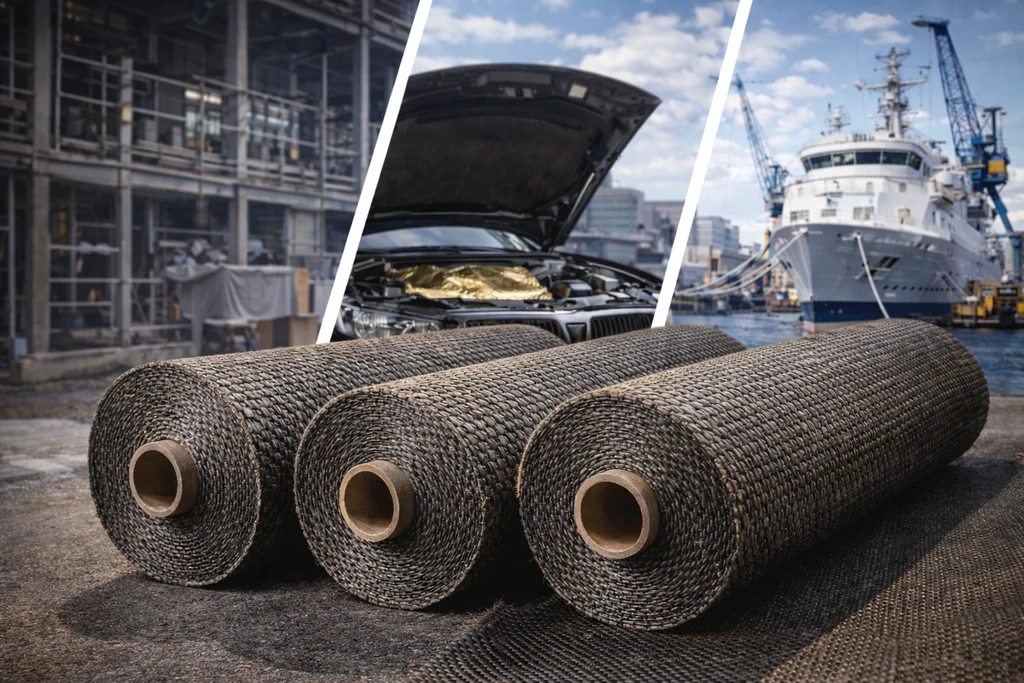
In modern construction, materials that combine reliability, safety, and long service life are becoming increasingly important. This is why basalt construction fabric is considered a universal solution for protecting and reinforcing structures. Produced from natural raw materials, it maintains stable characteristics even under extreme loads. Special attention deserves heat-resistant basalt fabric, which performs effectively under high temperatures and direct thermal exposure.
Key characteristics and advantages of basalt fabric
The material is based on basalt — a natural volcanic rock processed into continuous fiber with high uniformity. This ensures stable physical and mechanical properties, which directly affect performance. The advantages of basalt fabric include:
- high fire resistance and structural stability under heat;
- mechanical strength and resistance to tearing;
- chemical inertness and long service life;
- environmental safety and mineral composition;
- stable performance throughout the entire lifespan.
Basalt fabric is resistant to deformation, temperature fluctuations, and aggressive environmental factors. It is an environmentally safe material and does not emit harmful substances when heated — a critical factor for facilities with enhanced safety requirements.
Applications of basalt fabric in construction
The wide use of basalt materials is due to their universality and reliability. Basalt fabric is widely used for reinforcing structural elements, increasing building stability. In thermal protection systems, basalt fabric acts as an additional insulating layer that enhances efficiency. It is also used in fire protection screens to localize flames and protect structural components.
The material is suitable for a wide range of tasks thanks to its functionality and ease of installation. It is compatible with modern systems and can be used together with slabs, shells, and other construction components without increasing overall structural weight.
How to choose and where to buy basalt fabric
When choosing a product, it is important to consider both technical parameters and supplier reliability. A high-quality basalt fabric supplier provides certified characteristics and production-stage quality control. Before placing an order, it is recommended to evaluate:
- compliance of the fabric with operating conditions;
- availability of certificates and technical documentation;
- the company’s experience in the industry;
- delivery terms and support;
- brand reputation in the market.
Buyers should consider fabric density, weaving type, and project requirements. For critical infrastructure, the optimal choice is purchasing heat-resistant basalt fabric directly from the manufacturer, which reduces risks and simplifies logistics.
Cost of basalt fabric and pricing factors
The price of basalt fabric depends on parameters that determine its performance characteristics. Key factors include density, roll width, type of finishing, and supply volume. Logistics and project-specific requirements also affect total cost. Basalt fabric is supplied for both large construction projects and private needs, ensuring a balance between quality and budget.
Thanks to its natural origin and long-term stability, basalt fabric becomes a durable alternative to traditional materials. Its use reduces maintenance costs and enhances safety throughout the entire life cycle of a facility.